


Key Article Highlights:
- The process of becoming a real estate agent is structured into five essential steps, from enrollment to finding a brokerage, and typically taking three to six months to complete and costing between $1,500 and $4,000 upfront.
- To ensure long-term success, new agents must immediately implement a strategic real estate marketing plan focused on professional visuals and consistent lead nurturing.
- Virtuance helps new agents gain a competitive edge by offering a full suite of high-quality media services and valuable free marketing resources.
Starting a career in real estate offers flexibility, strong earning potential, and the chance to help clients reach major life milestones. If you’re wondering how to become a real estate agent, you’re in the right place. This guide breaks down the key licensing steps, costs, and essential business and marketing basics to help you launch your career with confidence.
5 steps to getting your real estate license
The path to officially becoming a real estate agent is structured, but the specific requirements vary by state. On average, the entire process can take between three to six months, depending on your pace and your state’s requirements.
1. Research your state’s requirements and eligibility
First, before enrolling in any programs, confirm your state’s basic eligibility requirements.
- Age and Education: Most states require you to be at least 18 years old and have a high school diploma or equivalent.
- Legal Standing: All states require a fingerprint-based criminal background check to ensure good moral character.
- Cost Check: The total initial investment for getting your real estate license typically ranges between $1,500 and $4,000. Of course, the total upfront cost will depend on the school you choose and the state you live in.
2. Complete pre-licensing education
If you’ve confirmed you’re eligible, the next step is completing your pre-licensing education. This is where you earn your real estate license (online or in-person). You must complete a required number of course hours approved by your state’s real estate commission.
- Coursework: The pre-licensing curriculum covers hard-hitting topics like real estate law, contracts, property valuation, and ethics.
- Flexibility: Required hours range from 40 to 180, which affects your timeline. Many real estate license classes are available online and offer a more flexible, affordable option.
- Course Exam: After the coursework, you must pass a final exam from your course provider to demonstrate your understanding of the material.
3. Pass the state licensing exam
If you have completed the coursework, you can move onto the state licensing exam.
- The Exam: The test consists of two parts: a national portion covering general real estate principles and a state-specific portion.
- Prep is Key: Many new agents fail the exam on the first attempt, so investing in dedicated exam prep materials—Like The CE Shop or Aceable Agent—is highly recommended.
- Get Your License: Upon passing the exam, you submit the final license application and fees to your state commission.
4. Join a sponsoring brokerage
In order to legally operate as a salesperson, new agents must work under a licensed supervising broker.
- Mentorship: Your broker will serve as your mentor, offering training, resources, and legal oversight.
- Commission Split: Brokerages charge for their support. This usually comes as a commission split, a desk fee, or both. For this reason, you should carefully research and interview several brokerages to find one that aligns with your goals and offers the training you need.
5. Join MLS and professional associations
At this time, you must join local, state, and national associations to become a REALTOR® and access the tools you need.
- MLS Access: Joining the Multiple Listing Service (MLS) is essential to view current property listings and legally market properties.
- E&O Insurance: You will also need to secure Errors & Omissions (E&O) insurance, which protects you from potential professional liability.
Marketing strategies for new real estate agents
Getting licensed is just the first step; building a sustainable business requires strategic real estate marketing. New agents often worry, “Is it hard making money as a real estate agent?” Success is certainly challenging, but it is ultimately driven by consistency and a sharp focus on high-impact marketing.
How can I stand out in a competitive market?
The key to standing out is leveraging high-quality media and smart digital tactics from day one.
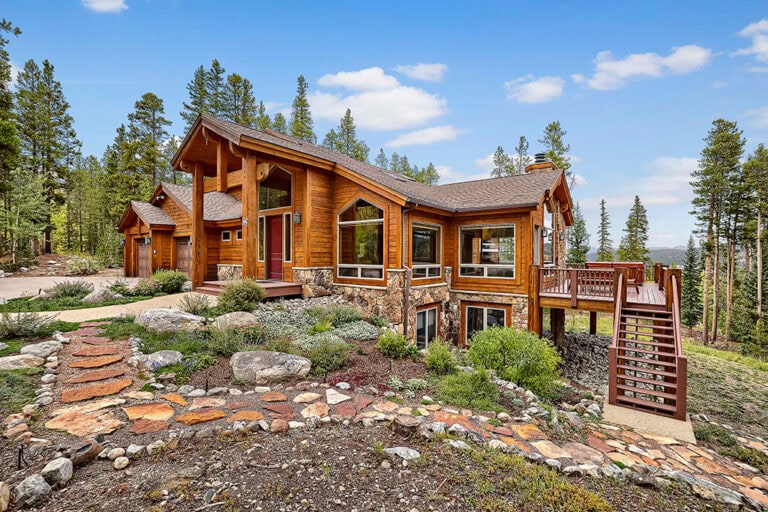
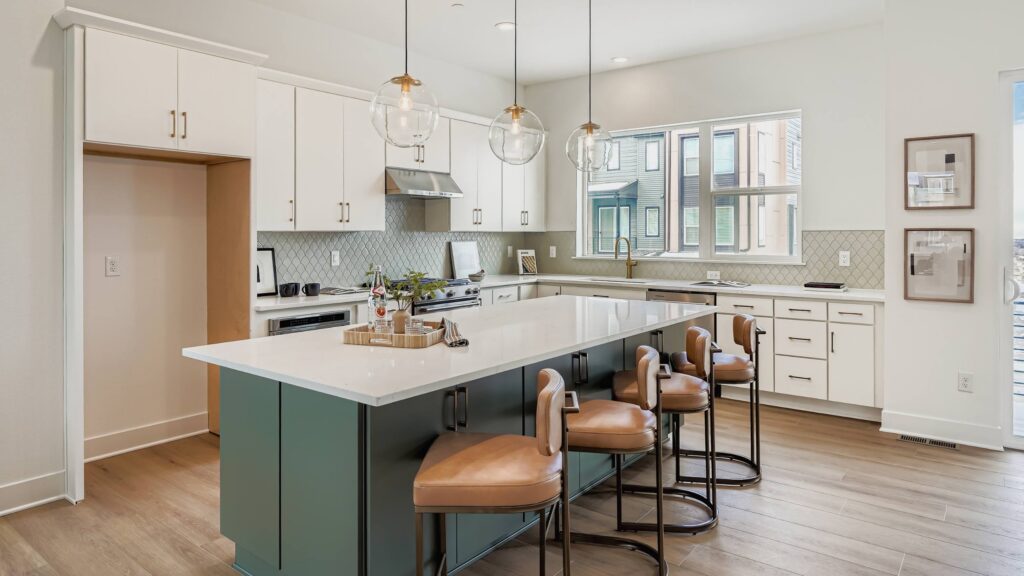
- Prioritize Professional Visuals: The listing visuals are your single most important marketing asset. Listings with professional real estate photography and media receive more views and sell faster. Avoid using low-quality smartphone images.
- Use Digital Marketing: Leverage your social media presence and run targeted online advertising campaigns. Focus on affordable real estate photography solutions and compelling video content to maximize your budget.
- Master Lead Nurturing: Use personalized email marketing and provide valuable, hyper-local resources to build trust. Nurturing leads is crucial, and utilizing systems for lead follow-up can save significant time and effort. Learn more about effective real estate lead generation ideas in our dedicated resources!
What is the 3-3-3 rule in real estate?
While the official 3-3-3 rule in real estate can vary depending on who’s asking, a common interpretation for new agents focuses on consistent lead outreach:
- 3 New Contacts: Speak to at least three new people every day.
- 3 Follow-Ups: Follow up with three existing contacts every day.
- 3 Pieces of Content: Post or share three pieces of valuable content weekly or in a consistent cadence of your choosing (e.g., market update, listing photo, neighborhood guide).
Consistency with simple, repeatable actions like this is crucial for building a strong initial database and securing your first listing.
Starting strong and staying informed
Becoming a real estate agent is an investment in time and money, but it offers a path to a highly rewarding career. By approaching the licensing process methodically and immediately implementing a strong real estate marketing strategy, you set yourself up for long-term success.
Partner with Virtuance for a competitive edge
A successful career is built on professionalism and efficiency. Virtuance helps new agents gain a significant advantage by ensuring all your home listing images are of the highest quality. Our solutions, from professional photos to 3D tours, are designed to generate more attention and help you win listings as a new real estate agent.
We support agents, especially those just starting out. We offer modern real estate media services and free marketing resources to help you understand the latest trends and information.
Want to stay informed? Sign up for our SOLD Newsletter for marketing tips and tricks straight to your inbox!
People also ask
How long does it take to become a real estate agent?
It typically takes an average of three to six months to complete the required coursework, pass the exam, and secure a sponsoring broker.
Is being a realtor worth it?
Yes! A career in real estate offers flexible hours, a high-income potential, and the satisfaction of helping clients with major life decisions
How do you get your real estate license?
You must complete state-required pre-licensing education, pass the state licensing exam, pass a background check, and affiliate with a sponsoring broker.
Is it hard making money as a real estate agent?
While the income is commission-based and requires consistent marketing effort, a strategic approach with high-quality listing media and networking can lead to a highly successful career.
What are the best apps for real estate agents?
Top tools include CRMs for lead management, AI for content drafting, and reliable partners like Virtuance for consistently stunning real estate photography.