


Selling your property independently allows you to retain maximum financial equity. By skipping a traditional agent, you maintain complete control over your real estate transaction. While taking this path requires hands-on dedication, breaking the process down into logical phases ensures a successful closing. Independent sellers maximize net profits by pricing accurately with local market data, preparing documentation early, and deploying premium visual marketing assets across major digital networks.
Key Takeaways
- Successful independent sales rely on a logical timeline, starting with legal paperwork and accurate pricing before moving to physical home preparation and digital marketing.
- High-quality listing media, such as professional real estate photography and interactive virtual tours, directly dictates online engagement and accelerates the showing process.
- Sellers protect their home equity and avoid traditional commissions by systematically managing property staging, digital listings, and contract negotiations themselves.
What is for sale by owner?
For Sale By Owner means a homeowner sells their property without a listing agent. This strategy is commonly abbreviated as FSBO. By choosing this path, the homeowner assumes all responsibilities typically handled by a realtor.
The primary responsibilities you will assume include:
- Setting a competitive, data-driven listing price
- Managing all physical property preparation and staging
- Executing a comprehensive digital marketing campaign
- Handling contract negotiations directly with buyers or their agents
- Completing all required state and local legal paperwork
The primary motivation for this strategy is financial. Bypassing an agent completely eliminates the standard 2.5% to 3% seller commission fee.
Managing an independent sale requires a thorough understanding of your local housing market. Homeowners must confidently interface with multiple parties to move the transaction forward. You will interact directly with buyers, inspectors, appraisers, escrow agents, and buyer agents. While the overall workload definitely increases, taking full command empowers you to negotiate directly. This hands-on approach allows you to retain thousands of dollars in hard-earned home equity.
Getting started: The basics needed for an FSBO listing
Launching a successful independent sale requires careful logistical planning before introducing the property to active buyers. Rushing a listing to market without structural and legal preparation often results in lower offers or prolonged days on the market. Establishing a solid foundation beforehand simplifies the journey and ensures you can capture serious, pre-approved retail buyers quickly.
What paperwork do I need to sell my house myself?
Securing the proper documentation is the foundational first step of a successful independent sale. You must compile the necessary legal forms to protect your financial interests and establish a legally binding transaction. Because real estate regulations vary significantly by municipality, verifying your local compliance parameters protects you from future liability.
At a minimum, your independent transaction requires:
- A legally binding residential purchase agreement
- Mandatory state property disclosure forms
- A federal lead-based paint disclosure if your home was built before 1978
- Current property tax bills and home survey records
- Up-to-date HOA documents, covenants, and restriction rules
- Complete title insurance records and documentation
Sellers frequently search online for a free paperwork for selling a house by owner template to reduce initial administrative costs. While these templates provide a helpful starting point, an unverified form can contain outdated legal clauses that expose you to liability.
To prevent unexpected delays during closing, gather your property tax bills, title records, and HOA documents during this initial phase. Partnering with a local real estate attorney or a reputable title company ensures your finalized paperwork for selling a house by owner is legally airtight.
How do you determine the right asking price?
Once your paperwork is organized, you must establish an accurate listing price based on objective data rather than emotional attachment. To find your property’s true market value, research recent sales of similar homes in your immediate neighborhood.
| Pricing Phase | Strategic Action for Sellers |
|---|---|
| Analyze Comps | Review closed home sales from the past six months within a one-mile radius. |
| Evaluate Competition | Check active local listings to see what properties buyers are currently weighing. |
| Factor In Visuals | Adjust your baseline value based on recent upgrades or superior visual presentation. |
Focus heavily on properties with comparable square footage, bedroom counts, and finishes. According to a recent industry report by the National Association of Realtors (NAR), independent listings that rely on accurate data close significantly faster than those with inflated prices.
Preparing the home: Staging and visual marketing
With your price locked in, you can begin physical home preparation without wasting money on low-return renovations. Your property needs to appeal to the widest pool of buyers possible both in person and across internet search engines. Focusing on high-impact visual improvements makes your listing look competitive against professionally represented properties.
What not to fix when selling a house?
Sellers often waste thousands of dollars on extensive renovations that fail to offer a positive return on investment.
When deciding what not to fix when selling a house, avoid:
- major kitchen overhauls,
- complete bathroom remodels, or
- installing brand-new flooring throughout the entire property.
Modern buyers frequently prefer to customize these large design elements themselves to match their personal styles after closing.
Instead of major remodeling, focus your budget on minor cosmetic updates and deferred property maintenance items. Fix leaky faucets, patch holes in the drywall, replace old light bulbs, and apply a fresh coat of neutral paint to high-traffic walls. These small improvements cost very little but significantly improve the overall cleanliness, appeal, and marketability of your home.
How do you capture buyer attention online?
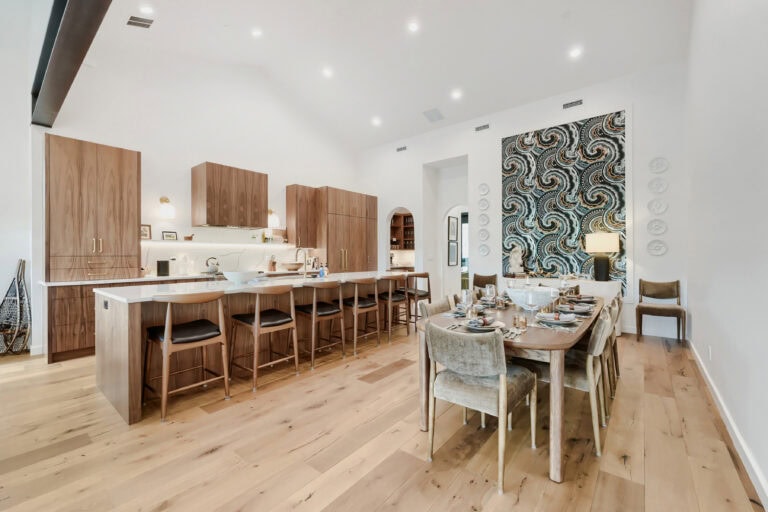
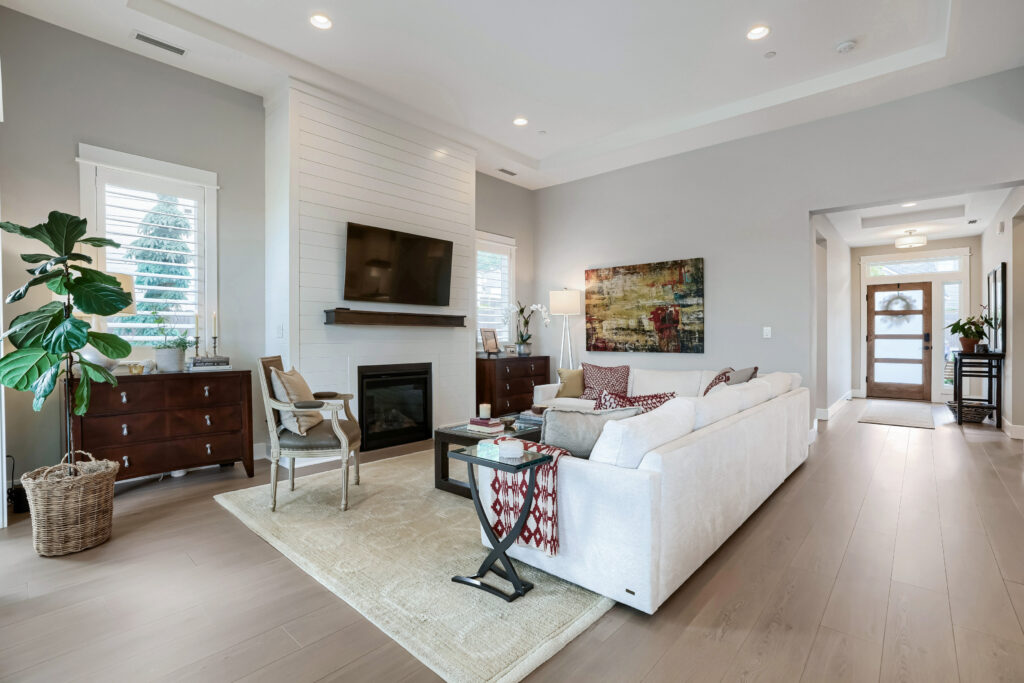
After completing your cosmetic repairs, your next milestone is creating a powerful digital storefront to attract retail buyers. Modern home buyers scroll through digital real estate portals exactly like an online e-commerce marketplace, making premium visual assets essential. Listings featuring professional media generate vastly more online traffic than listings that utilize low-quality smartphone photography.
Before your media session begins, review Virtuance’s Pre-Shoot Checklist to guarantee every room looks immaculate for the camera. Presenting a clean, open, and bright environment allows buyers to visualize their own lives inside the space. Clear images make your home stand out on crowded search pages.
To optimize your property presentation, focus on these critical tasks:
- De-clutter Rooms: Remove personal photographs, piles of papers, and small appliances from kitchen countertops.
- Maximize Lighting: Turn on all interior lights, replace burnt-out bulbs, and open all window blinds completely.
- Enhance Layouts: Utilize professional 3D tours and floor plans to showcase home flow and spatial connections clearly.
Launching the listing: Marketing and negotiations
Now that your visual media is ready, you must launch your marketing campaign across high-traffic platforms to generate buyer inquiries. Maximizing your online exposure requires a strategic approach that targets both standard retail buyers and cash buyers. Handling this stage with clear communication ensures you field high-quality offers and maintain control over the timeline.
How to sell your house without a realtor using digital marketing?
To execute a successful plan on how to sell your house without a realtor, you must showcase your home across multiple platforms. List your property on high-traffic consumer portals like Zillow and Facebook Marketplace. For the broadest possible market reach, use a flat-fee Multiple Listing Service (MLS) entry provider to syndicate your listing to popular local real estate sites.
Integrate your premium visual assets by adding interactive virtual tours, clear floor plans, and professional imagery directly to your online descriptions. This comprehensive visual approach answers vital buyer questions regarding home layout before they schedule an in-person tour. High online visibility generates a larger pool of buyer inquiries and creates competitive pressure during the negotiation phase.
Attracting an all cash offer for your FSBO listing
As inquiries arrive, you may encounter different types of offers, including immediate cash bids from independent investors. Attracting an all-cash buyer simplifies your closing timeline by completely eliminating traditional mortgage underwriting and formal bank appraisals.
When selling your home, you can market directly to local real estate investors or accept a cash offer from a retail buyer. Always request a formal, verified proof of funds letter from the buyer’s financial institution before signing a purchase contract.
How much do you lose when you sell your house for cash?
You must evaluate the financial trade-offs regarding net proceeds when considering immediate cash options. These corporate investment entities typically demand a steep discount of 10% to 15% below fair market value in exchange for speed. Listing your home on the open market with premium marketing assets generally yields a much higher final profit.
Finalizing your FSBO sale successfully
Executing a successful independent sale requires a logical, step-by-step commitment to organized paperwork, strategic pricing, and professional presentation. By managing each phase systematically, you eliminate expensive agent fees and retain complete command over your equity.
Maximizing your property’s digital appeal transforms a standard listing into a highly competitive marketplace destination. Partnering with a dedicated media specialist ensures your property stands out clearly across all major consumer channels.
Maximize your home equity with Virtuance
Virtuance provides premium real estate photography, floor plans, aerial views, and comprehensive bundle packages specifically tailored to give your listing a competitive edge. Virtuance has completed over 613K+ photoshoots across the country, helping properties capture buyer attention and sell faster.
Schedule your shoot today and use promo code NEWCLIENT50 to receive $50 off your first order.
FAQ
How do I safely host an open house as an independent seller?
Include a mandatory sign-in sheet requiring a photo ID, remove all small valuables from view, and always ensure a friend or family member is present with you during the event.
Can I list my property on the local MLS without hiring a full-service real estate agent?
Yes, you can pay a flat-fee MLS listing company to upload your property data and photos, which then automatically syndicates your listing to major real estate websites.
What should I do if a buyer's agent brings me a client?
You can choose to negotiate a buyer’s agent commission, which is typically 2% to 3%, to incentivize agents to show your property to their pre-qualified clients.
How long does the average independent home sale take to close?
Once a purchase contract is fully executed, a traditional home transaction financed by a bank usually takes between 30 and 45 days to officially close escrow.