
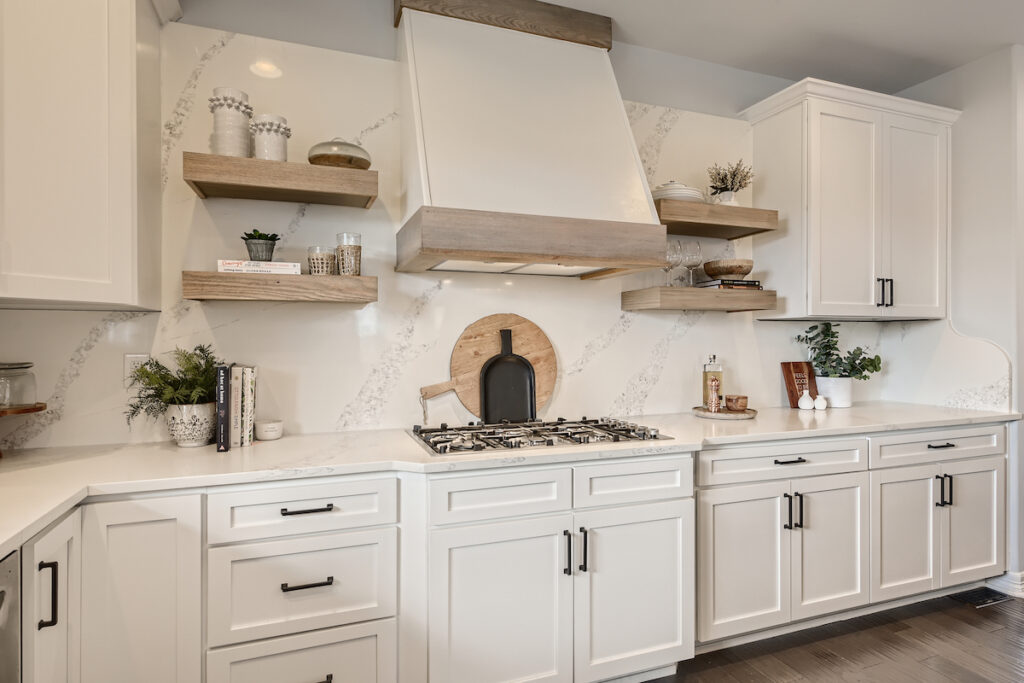



In recent years, the real estate market has stabilized into a more balanced yet slightly competitive environment. High-tech tools and current mortgage rates mean that modern buyers are highly selective, thoroughly researching homes online before booking tours. For sale by owner (FSBO) sellers who want to maximize their home equity must present an immaculate property. Even in a steady market, some homeowners struggle to attract serious offers.
Homeowners who fail to capture initial market interest often find themselves forced to reduce their listing prices. They eventually resort to accepting an offer far lower than their property’s actual worth.
Fortunately, you can easily avoid this stressful outcome. The key to a smooth, profitable transaction is strategically preparing your property before it ever hits the digital market.
The secret to an efficient flat-fee MLS Listing
Plenty of misconceptions surround For Sale By Owner (FSBO) transactions. Critics often claim that independent sellers make less money or that the listing process takes too long. However, data shows that these negative outcomes stem primarily from poor preparation.
Listing your home independently via a flat-fee MLS requires the same rigorous preparation as working with a traditional agent. If you fail to prepare your paperwork and your property, you will delay your closing and drive away qualified buyers.
To ensure a highly lucrative, fast-moving sale, you must be organized from day one. Implementing a structured, four-phase plan to prepare your FSBO property will safeguard your equity and streamline your listing timeline.
Phase one: Prepare critical documentation
If you use a flat-fee MLS, the listing platform requires specific compliance documentation to activate your property feed. You will also need these documents readily available at closing to finalize the transaction. Missing paperwork can completely sabotage a pending sale.
Make sure you gather these five essential documents before listing:
- Original Sales Contract: The purchase paperwork from when you initially bought the home.
- Deed & Title Documents: Legal proof establishing your current undivided ownership.
- Mortgage Payoff Statements: Current bank documents showing exactly what you still owe.
- Property Tax Records: Up-to-date documentation proving your local tax accounts are current.
- Property Disclosure Statements: Mandatory state forms detailing the actual condition of the home.
While you should already possess most financial records, reputable flat-fee platforms like Houzeo, Homecoin, and FSBO.com automatically provide the necessary state disclosure forms during onboarding. Store both digital and physical copies securely.
Phase two: Prepare the home’s structure
After organizing your paperwork, shift your focus to the physical integrity of the house. Evaluate the major systems requiring immediate repair or replacement. You do not need to spend a fortune, but you must address deferred maintenance.
Prioritize fixing these critical, structural issues before opening your doors to inspectors:
- Faulty Electrical Wiring: Replace dead outlets, flickering fixtures, or exposed wires.
- Active Plumbing Leaks: Fix dripping faucets, running toilets, and stained ceiling drywall.
- Drafty Windows & Doors: Replace failing seals to improve the home’s energy efficiency.
Additionally, finish any half-completed DIY home improvement projects, such as unfinished decks or partial bathroom renovations. If your budget is tight, leave major layout overhauls as-is, since many buyers prefer remodeling spaces to match their personal tastes.
Phase three: Prepare the home’s aesthetics
Once structural repairs are resolved, focus on visual improvements. This includes interior painting, strategic staging, and maximizing curb appeal through landscaping.
Aesthetic upgrades ensure your home looks immaculate in digital listings. Since modern buyers utilize AI-driven search filters, posting high-quality media is critical. Consider hiring a professional photographer to capture these updates effectively.
While structural repairs secure better contract terms, beautiful aesthetics drive the initial wave of buyer traffic. When making cosmetic updates, always prioritize neutral design trends over personal preferences to appeal to the widest possible audience. Don’t forget to clean or regrout bathroom tile lines.
Phase four: Conduct last-minute prep
Save deep cleaning and decluttering for your final phase. When cleaning, focus your energy on high-value rooms where buyers spend the majority of their touring time examining details.
Clean your home strategically by focusing on these areas in order:
- The Kitchen & Pantry: Wipe down appliances and organize inside all food storage cabinets.
- The Primary Suite & Bathrooms: Scrub tile grout, polish fixtures, and clear off vanities completely.
- Secondary Bedrooms: Dust baseboards, wash windows, and organize bedroom closets to show storage depth.
- The Garage & Exterior: Power-wash the concrete floors and clear out any lingering yard clutter.
Buyers will open cabinets, test appliances, and scrutinize small details. The presence of dirt or grime in these areas instantly kills deals. Functional storage space is highly valued, and these clean touches make a lasting impression.
About the author
Guest Post by Houzeo
This article was originally contributed as a guest post by Houzeo, a leading national flat fee MLS technology platform. Houzeo empowers For Sale By Owner (FSBO) home sellers by providing access to the local MLS, automated paperwork management, and cutting-edge listing tools to maximize exposure while saving thousands on traditional real estate agent commissions.