


1. Choosing loud and chaotic paint colors
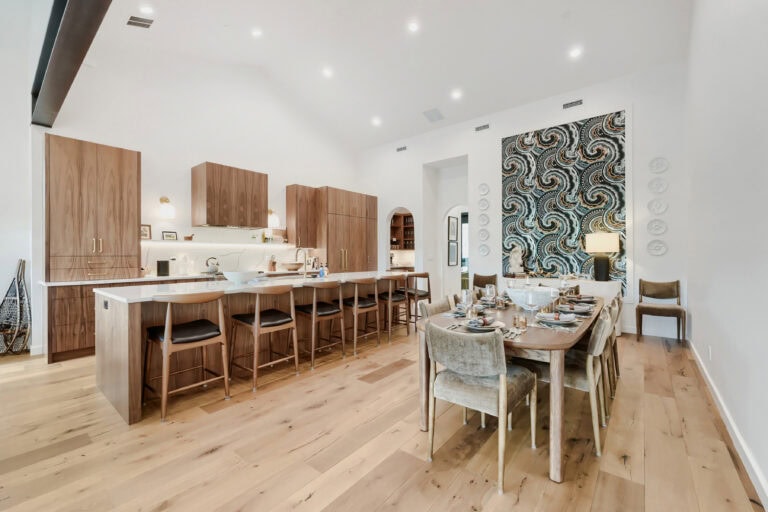
Choosing loud and chaotic paint colors directly drives away online homebuyers. These prospects look for calm and neutral environments. Overly vibrant walls distract from a home’s structural features. They can also make rooms appear smaller in photographs.
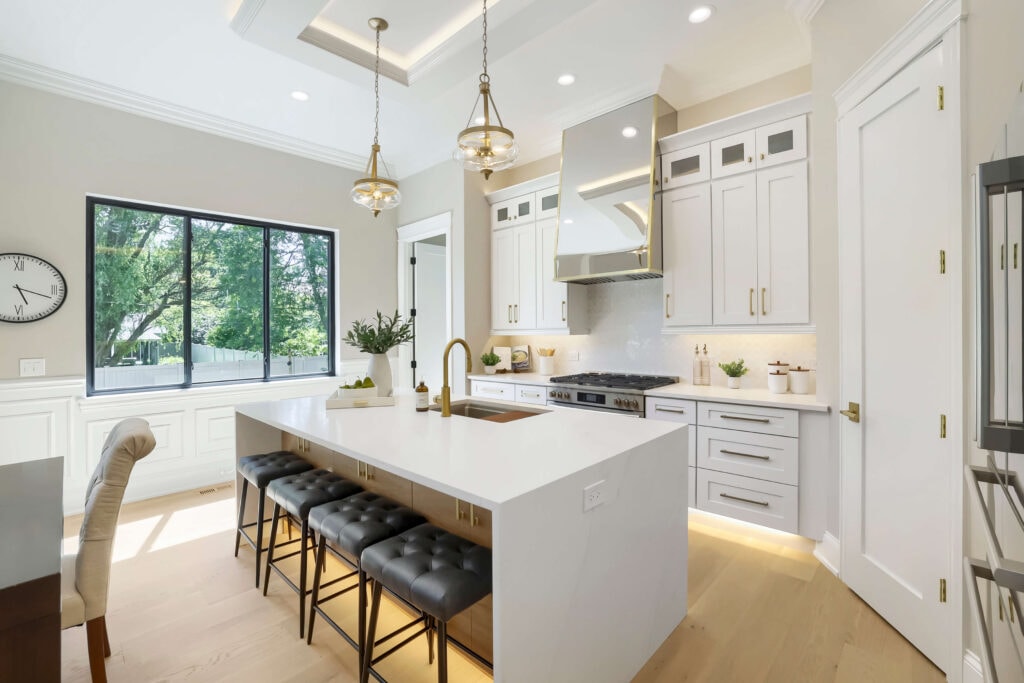
According to the National Association of Realtors (NAR), neutral walls get better results. Listings with neutral interior colors receive significantly more views. They also get higher user satisfaction scores. Bold color palettes make it hard for prospects to visualize living in the space.
To build an effective color scheme, top real estate agents recommend using:
- Warm neutral paint colors like beige, gray, or “greige”
- Subtle pops of color on decorative pillows and throws
- Neutral wall art that complements the room layout
2. Incorrect furniture scaling that ruins your room layout
Failing to stage furniture to scale dwarfs your rooms. This mistake turns potential buyers away from your listing. Staged furniture must match the actual size of the space. This accuracy demonstrates proper room functionality and layout flow.
Sellers often use small furniture to create space. Alternatively, they push couches against walls. This layout actually makes rooms look smaller. In open-concept layouts, proper arrangement is vital. It helps buyers understand how to utilize each area effectively.
To warm up a living space and ensure a proper layout, apply these techniques:
- Place an appropriate area rug underneath large furniture pieces like couches and beds
- Avoid pushing all furniture against walls to prevent making the space look small
- Choose proportional pieces for small living room staging and decoration
3. Using fake props that destroy property credibility
Plastic fruit, artificial plants, and imitation television screens cheapen the property’s presentation. Modern homebuyers instantly spot artificial items. This luxury loss creates a negative impression of overall home quality.
Authenticity drives buyer trust in both virtual and physical staging. High-quality virtual staging in real estate builds strong buyer confidence. Genuine elements make a property feel premium. Cheap replicas distract from real home assets.
Sellers should replace fake decorations with simple, real alternatives:
- A bowl of fresh seasonal fruit on the kitchen counter
- Vibrant, live potted plants in the living room
- Turned-off television screens that remain completely clean
4. Overly personal interior design drives away prospects
Designing a listing around your personal taste prevents emotional connections. It stops the majority of buyers from liking the home. Successful apartment and house staging tips emphasize universal, simple decor. This simplicity allows prospects to envision their own lives there.
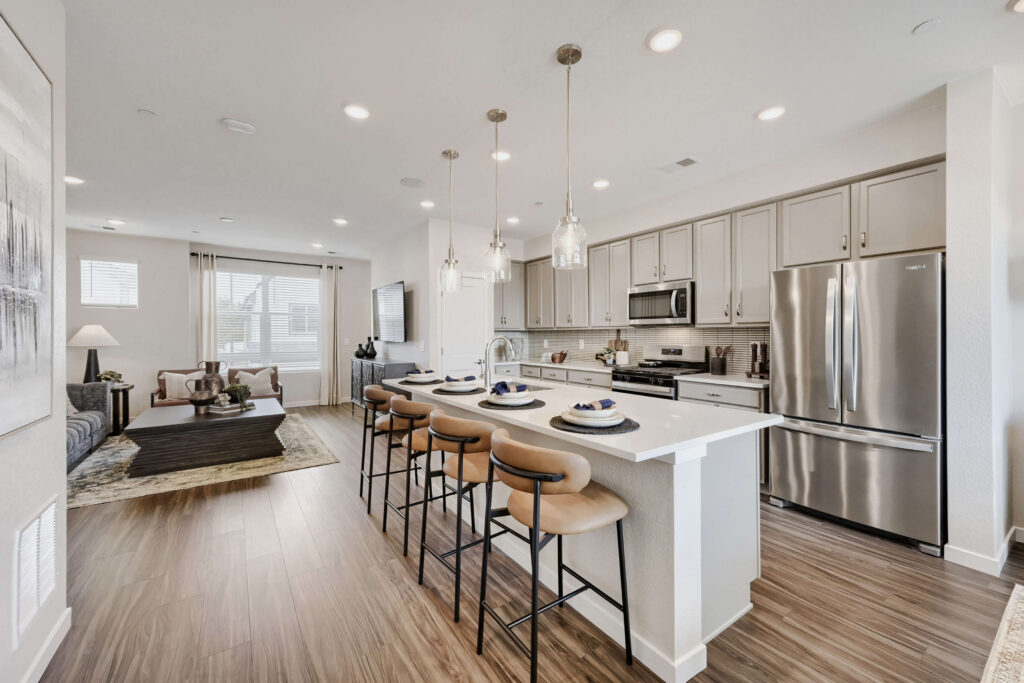
Homes with neutral styling sell faster and for higher prices. Highly personalized properties lag behind and unique collections or specialized artwork can distract buyers. They stop evaluating the home’s actual structure.
Real estate professionals advise packing away personal collections. Remove family photographs and unique memorabilia before scheduling photos. Stick to contemporary, minimalist staging pieces that seem universal and highlight architectural assets. If spaces feel cold, use texture—like woven baskets or blankets—and warm lighting for comfort.
5. Neglecting proper indoor lighting reduces listing views
Dark rooms look uninviting and small in photos. Lighting is a critical element for showcasing your property effectively. It matters during both online browsing and in-person tours.
Dark rooms cause listing photographs to appear gloomy. This issue drastically decreases click-through rates on digital platforms. Bright, well-lit spaces project cleanliness and openness.
Sellers can maximize natural and artificial light by following these steps:
- Open all blinds, shutters, and curtains fully before photography begins
- Place strategic mirrors on bare walls to bounce light across the room
- Turn on all overhead lights and lamps to eliminate dark corners
6. Complex themes and artificial scenes distract buyers
Strong home themes can create a sense of artificial lifestyle that makes a home feel unnatural. Great home staging is completely invisible. It highlights the actual space rather than drawing attention to props or activities.
Staging a fully set dining table can look artificial. Arranging a fake baking scene in the kitchen acts as a distraction. Prospects prefer seeing clean, functional surfaces over staged scenarios.
Real estate agents should plan home staging in two phases.
- For professional listing photos, remove all clutter. Keep surfaces entirely clear.
- For in-person showings, add a few subtle everyday items. Use a neat book or fresh towel to welcome buyers.
7. Ignoring exterior curb appeal harms first impressions
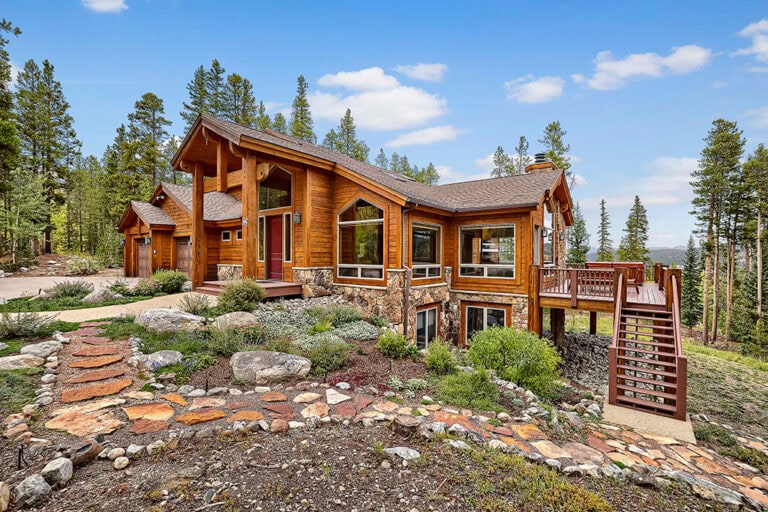
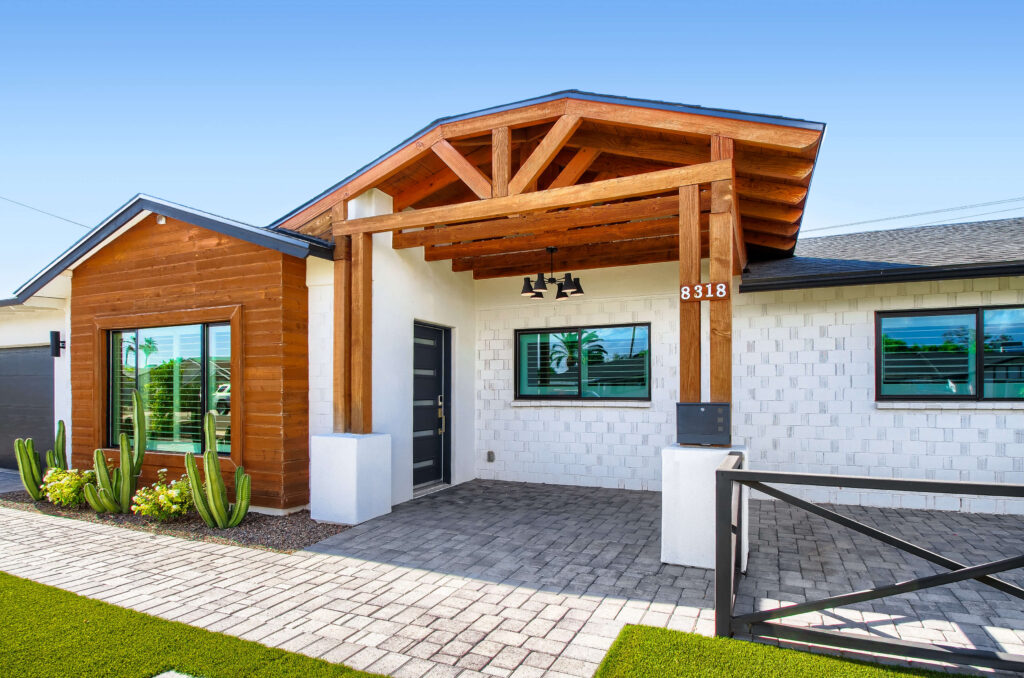
The exterior photo is typically the first image buyers see online. A poorly maintained exterior causes negative assumptions and buyers may assume that the home’s interior is equally neglected.
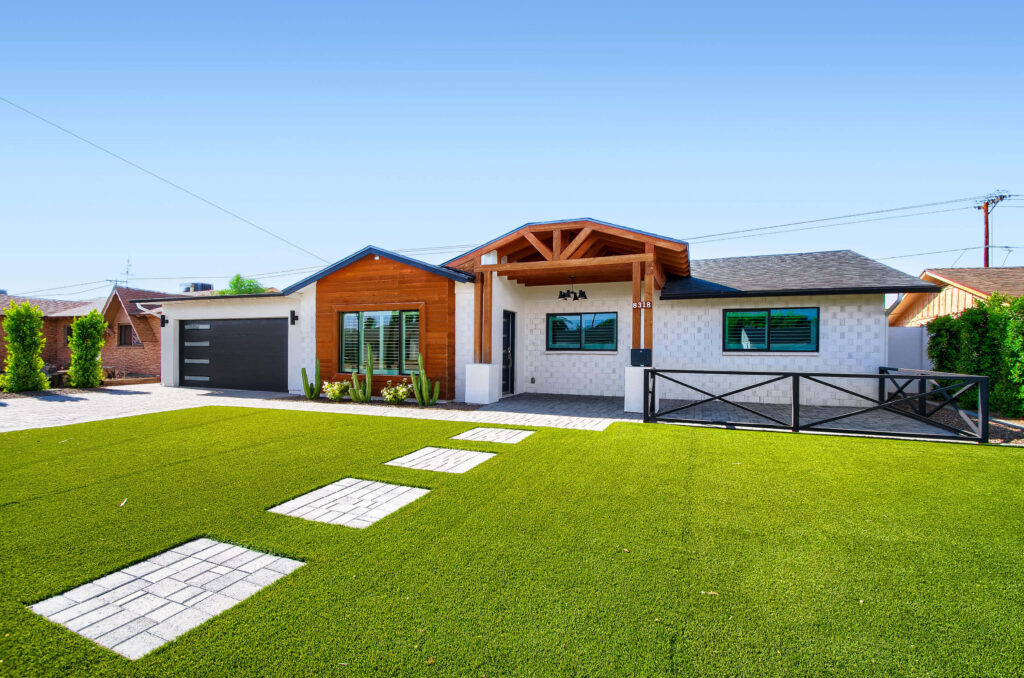
High-quality exterior styling increases online listing traffic and small outdoor adjustments can yield massive returns. A stunning exterior encourages more buyers to schedule physical tours to see what’s behind the facade.
Sellers can quickly spruce up the property exterior with these simple actions:
- Add vibrant potted plants and a clean, fresh doormat at the entrance
- Arrange modern, high-quality outdoor furniture on patios or decks
- Clean out the gutters and pressure-wash the siding or brick surfaces
To go above and beyond, don’t forget to also stage any outdoor living spaces!
Avoid home staging pitfalls to maximize listing views
Avoidable home staging mistakes can quickly derail a listing’s performance. Correcting layout errors, optimizing indoor lighting, and maintaining neutral styles keeps presentation universal. Combining deliberate property styling with high-quality media maximizes property visibility. Strategic upgrades ultimately capture more buyer interest across search platforms.
Maximize your listing performance with Virtuance
Click here to schedule a shoot online today and accelerate your speed to market.