


Real estate photography has become one of the most lucrative and in-demand genres of photography today. With the growth of online real estate marketplaces, property developers seek professional photographers to showcase their properties in the best possible light. In this article, we’ll discuss the steps you need to take to become a professional real estate photographer.
Understanding the Real Estate Photography Industry
Real estate photography involves capturing images of residential and commercial properties for marketing and promotional purposes. As a photographer, your role is to highlight the key features of a property and create visuals that engage potential buyers. However, there is more to the industry than just taking photos.
Real estate photography is a crucial part of the property marketing process. It helps showcase a property’s best features and can make the difference between a property selling or not. Real estate photography is not just about taking pretty pictures; it’s about telling a story and creating an emotional connection with potential buyers.
Market Demand and Opportunities
The real estate industry is constantly growing, creating a sustained demand for real estate photographers. According to the National Association of Realtors, 44% of home buyers in 2018 searched for properties online before contacting a real estate agent. This trend has only continued to grow, with the COVID-19 pandemic forcing more people to shop for properties online. As a professional real estate photographer, you can take advantage of this trend and offer your services to agents, property developers, and homeowners.
Real estate photography is not just limited to residential properties. There is also a growing demand for commercial and industrial property photography. Commercial property photography can include office buildings, retail spaces, and warehouses. Industrial property photography can include factories, manufacturing plants, and distribution centers.
Types of Real Estate Photography
Real estate photography can involve different types of properties, such as residential, commercial, and industrial. Property photography can also include virtual tours, 360-degree views, and drone shots. Virtual tours and 360-degree views are becoming increasingly popular as they allow potential buyers to better understand the property without physically being there. Drone shots are also popular as they can showcase the property’s location and surroundings. As a real estate photographer, you need to develop a diverse portfolio showcasing your ability to capture different properties in different settings.
Essential Skills and Techniques
A great real estate photographer relies on a mix of technical and interpersonal skills to create standout images. On the technical side, photographers must master:
Lighting techniques to highlight a home’s best features
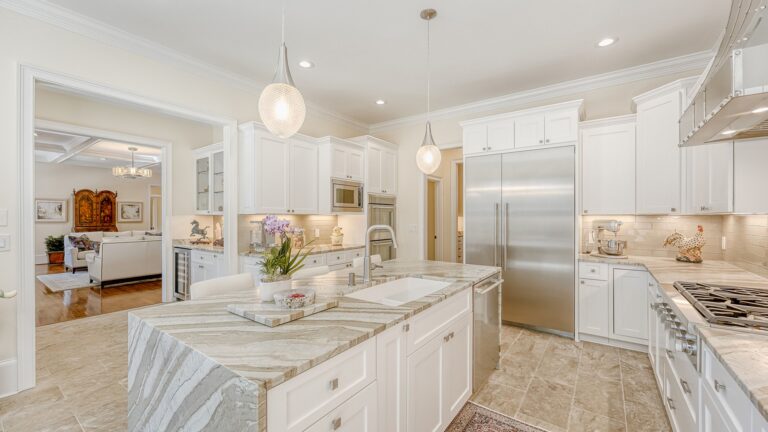
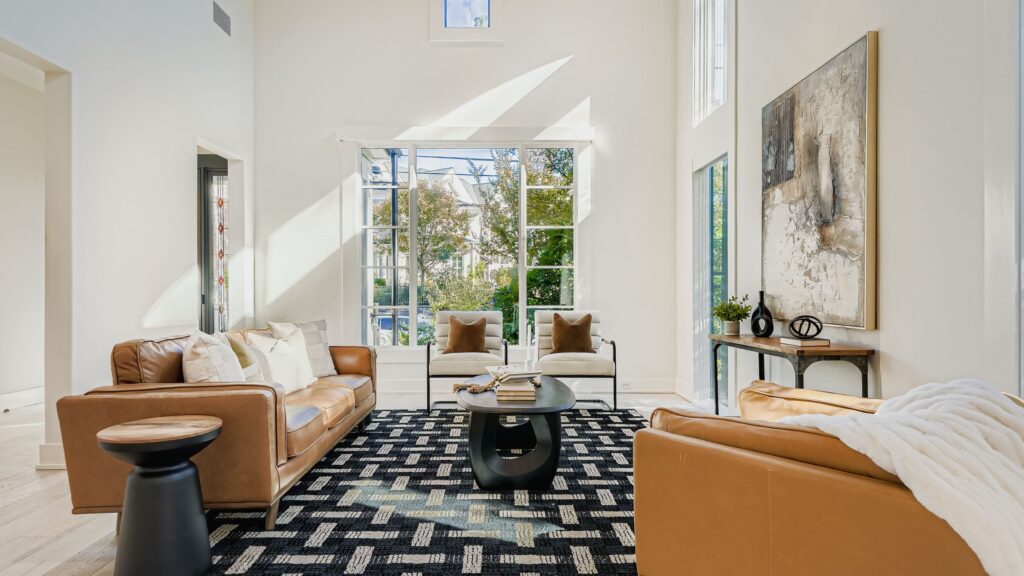
Strong composition to make every room look spacious and inviting
Color correction and image processing to ensure consistency and accuracy
Professional equipment such as lenses, tripods, and lighting gear
But technical ability isn’t everything. Real estate photography also requires strong people skills. Photographers must:
Communicate clearly with clients to understand their goals and expectations
Work efficiently on-site since timing is crucial in the fast-paced real estate world
Adapt to different spaces and situations while keeping clients comfortable and confident
In short, real estate photography blends art, technology, and collaboration. By building a diverse portfolio and strengthening both technical and interpersonal skills, photographers can thrive in this dynamic and growing industry.
Building Your Real Estate Photography Portfolio
Your portfolio is your best marketing tool as a professional real estate photographer. Creating a portfolio showcasing your skills and style as a photographer is important. A well-crafted portfolio can help you attract new clients and stand out from other photographers in the industry.
Selecting Your Best Work
When building your portfolio, choosing good-quality images that demonstrate your skills is important. Select images that showcase a range of properties, angles, and lighting conditions. You should also include before-and-after samples to show clients how you can transform a space with your photography skills.
Make sure to choose visually stunning images and showcase your unique style as a photographer. Consider including images with interesting compositions, creative use of light and shadow, and unique perspectives that capture the essence of the property.
Showcasing Different Property Types
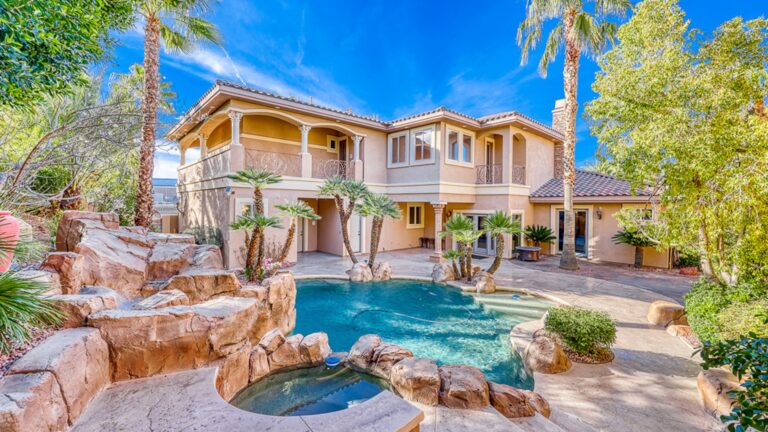
Your portfolio should include various property types, including residential homes, commercial properties, and industrial spaces. You can also have photographs of outdoor spaces, such as gardens, patios, and pools.
When selecting images for your portfolio, consider the type of clients you want to attract. If you specialize in luxury real estate photography, include high-end properties in your portfolio. If you focus on commercial real estate, showcase your ability to capture the unique features of different commercial properties.
Including Various Photography Techniques
Include a mix of photography techniques in your portfolio to show range, such as:
HDR for balanced lighting
Long exposure for smooth motion and mood
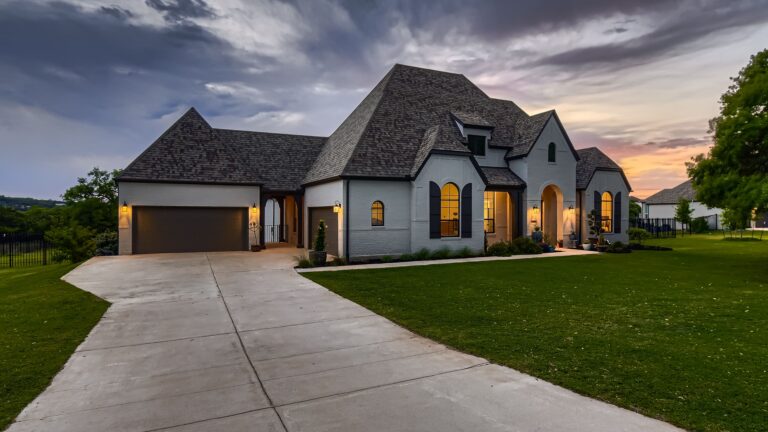
Twilight photography for warm, dramatic exteriors
You should also highlight images that capture the atmosphere of a property. For example, if you shoot beachfront homes, showcase:
Vibrant sunsets
Calm sunrise scenes
Your portfolio represents your style and expertise, so curate it carefully. A strong, well-rounded collection helps you stand out and attract more clients.
Investing in the Right Equipment
When starting out as a real estate photographer, investing in equipment that will help you produce high-quality images is important. However, it can be overwhelming to know where to start. Here are some additional tips to help you choose the right equipment:
Camera Bodies and Lenses
The camera body is the most important equipment for a real estate photographer. Look for a camera that has high resolution and low light capabilities. A full-frame camera is ideal, capturing more detail and producing better image quality. Additionally, investing in a high-quality lens is just as important as investing in a good camera body. A wide-angle lens is essential for capturing interiors and exteriors of properties, but also consider investing in a zoom lens with a longer focal length for detail shots.
Tripods and Stabilization
Using a tripod helps stabilize the camera and ensures images are sharp and focused. It’s essential to invest in a sturdy tripod that can support the weight of your camera and lenses, as well as a remote trigger or cable release. This will help you avoid camera shake and produce clear, crisp images. Additionally, consider investing in stabilizers such as a gimbal or Steadicam for smooth video footage.
Lighting and Accessories
Real estate photographers need a solid understanding of lighting and how to control it. Consider investing in:
Lighting equipment like flashes or continuous lights for proper exposure
Light modifiers such as reflectors and diffusers to shape and direct light
Filters to adjust color temperature or create specific effects
A durable camera bag to protect and transport your gear
The right equipment sets a strong foundation, but it’s only part of the equation. Mastering composition, lighting techniques, and post-processing is what truly elevates your images and helps you succeed as a real estate photographer.
Developing Your Photography Skills
To succeed as a real estate photographer, you must continually develop your skills and improve your technique. This means keeping up with the latest trends and techniques in the industry, attending workshops and seminars, and practicing your craft regularly.
Mastering Composition and Framing
Composition and framing are essential skills for real estate photography. Understanding how to frame a shot, use leading lines, and create balance and depth will help you create professional and polished images. One tip for framing a shot is to use the rule of thirds, which involves dividing the image into thirds both horizontally and vertically and placing the subject at the intersection of these lines.
Another technique for creating depth in your images is to use a wide-angle lens. This will allow you to capture more of the room in a single shot, making it feel more spacious and inviting.
Perfecting Exposure and White Balance
Exposure and white balance are crucial for real estate photography. The lighting in properties can be challenging, and getting the right balance can be tricky. One tool that can help is a grey card, which you can use to set a custom white balance in your camera. This will ensure that the colors in your images are accurate and true to life.
Another technique for dealing with challenging lighting situations is exposure bracketing. This involves taking multiple shots of the same scene at different exposures and then blending them together in post-processing to create a perfectly exposed image.
Enhancing Images with Post-Processing
Real estate photography often requires post-processing to touch up images and enhance them for marketing and promotional purposes. Basic knowledge of editing software such as Adobe Lightroom and/or Photoshop is essential in today’s market. Some common post-processing techniques for real estate photography include adjusting exposure and white balance, removing distracting objects from the scene, and adding warmth and vibrance to the colors in the image.
It’s important to remember that while post-processing can enhance your images, it should never be used to deceive potential buyers. Your images should accurately represent the property and its features.
By continually developing your composition, exposure, and post-processing skills, you can create stunning images that showcase properties in the best possible light.
Consider working with Virtuance
If you are interested in working as a professional real estate photographer with a flexible schedule and a network of other photographers nationwide, take a look at Virtuance. We might be hiring in your city!
If you’re a real estate agent looking for a professional photography provider, learn more about how we can help you stand out and grow your business!
People Also Ask
Is it hard to become a professional real estate photographer?
Becoming a professional real estate photographer requires a combination of skills, knowledge, and equipment. Building a diverse portfolio, investing in the right equipment, and developing your photography skills can help you succeed in this exciting industry.
Does real estate photography pay well?
Real estate photography can be a lucrative niche. Real estate photography is fast-paced and flexible income opportunity with high earning potential.
What do I need to start real estate photography?
You will need a camera, tripod and laptop. If you would like to became a Virtuance photographer you need the following:
- Digital SLR Body; capable of Bracketing 5+ in AEB mode.
- Wide Angle Lens; no prime lenses
- Fisheye Lens
- 360 Pano Head
- Sturdy Tripod
- Ball Head
- Cable Shutter
- Laptop with either Windows 32-bit, Windows 64-bit or Mac OS X