
Read through each strategic open house guide and expert articles to master event planning, local promotion, and conversion strategy.

Unlock free, chapter-specific open house checklists and script playbooks by entering your email address.
Deploy these field-tested strategies and automated follow-up sequences immediately to turn every open house into a predictable pipeline machine.
Open House Strategy & Core Frameworks
Before launching promotion or inviting guests, you must master the fundamental strategy behind a modern open house event.
Whether you are answering common buyer questions like or evaluating whether an event is worth the investment, these foundational guides establish the core blueprint for your event.

Learn how hosting this event is an effective and valuable marketing strategy.
read the article
Learn about how to host an open house so it serves as a strong lead gen tool.
read the article
Explore how a broker's open house an generate more interest.
read the article
Check out these 4 ways to crush your virtual marketing strategy.
read the article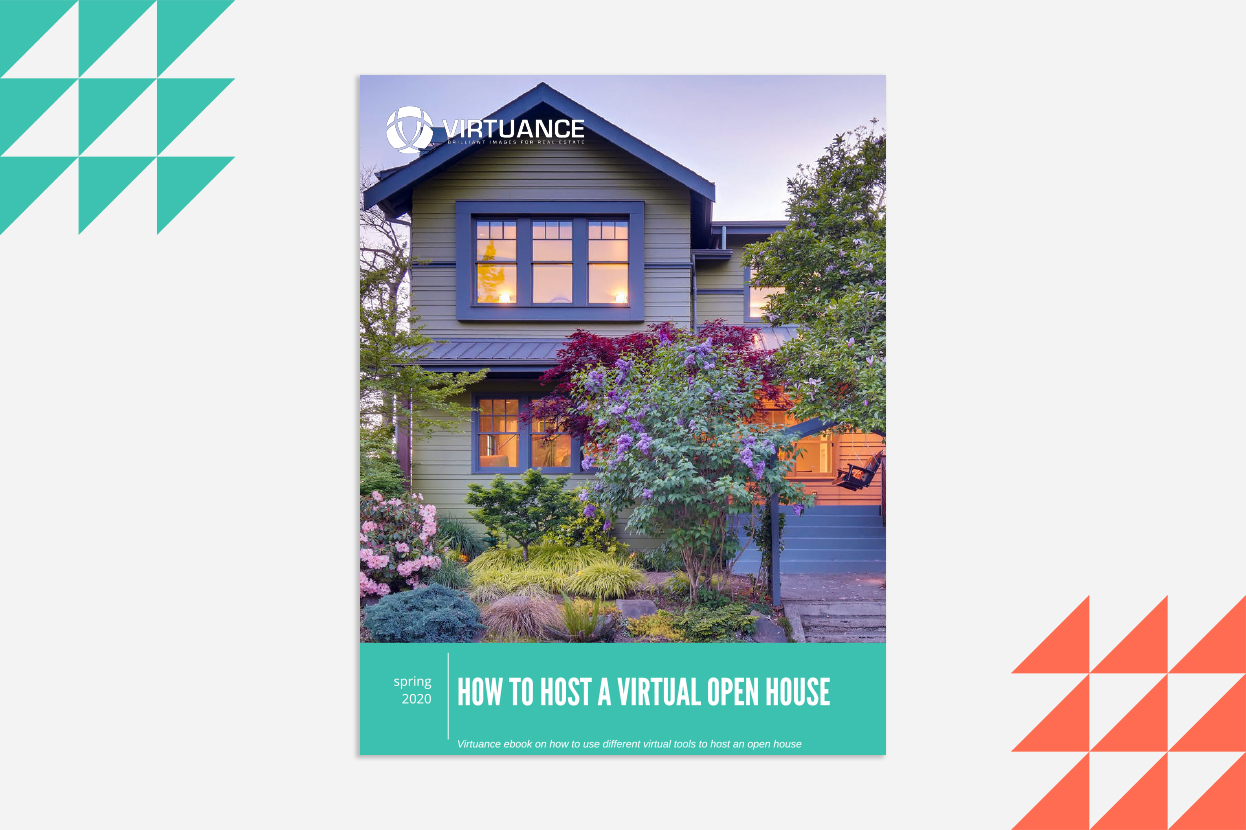
Download our free guide that helps you create your first virtual open house!
download the guide
Elite Open House Planning & Hyper-Local Promotion
Once you understand the strategic blueprint, the next step is getting buyers through the door. Knowing how to prepare for an open house requires coordinated marketing days before the event.
Use these guides, event concepts, and planning toolkits to maximize physical turnout.
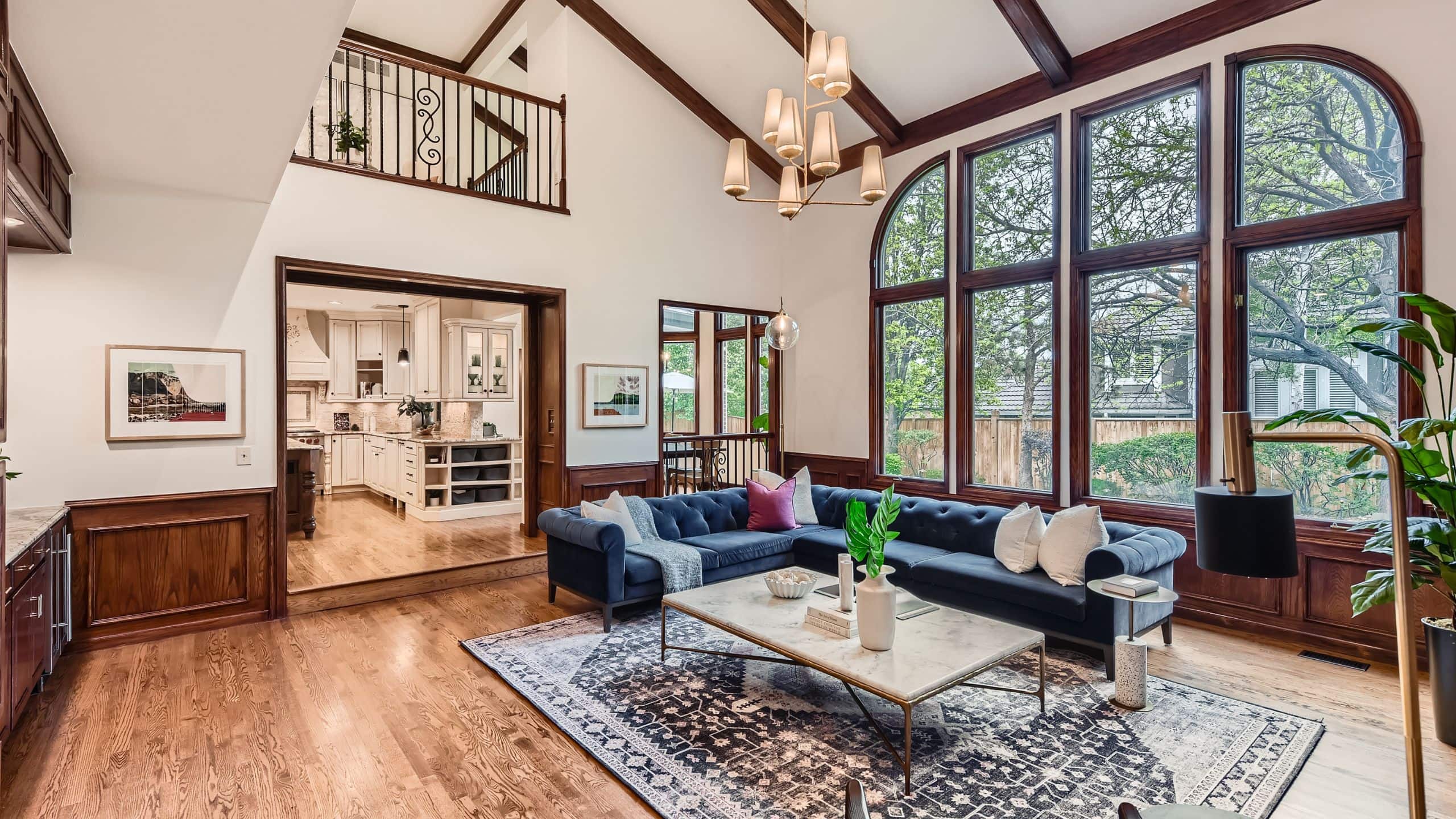
Check out these helpful open house tips on how to have a successful event.
read the article
Learn creative and well-planned broker open house ideas to generate demand.
read the article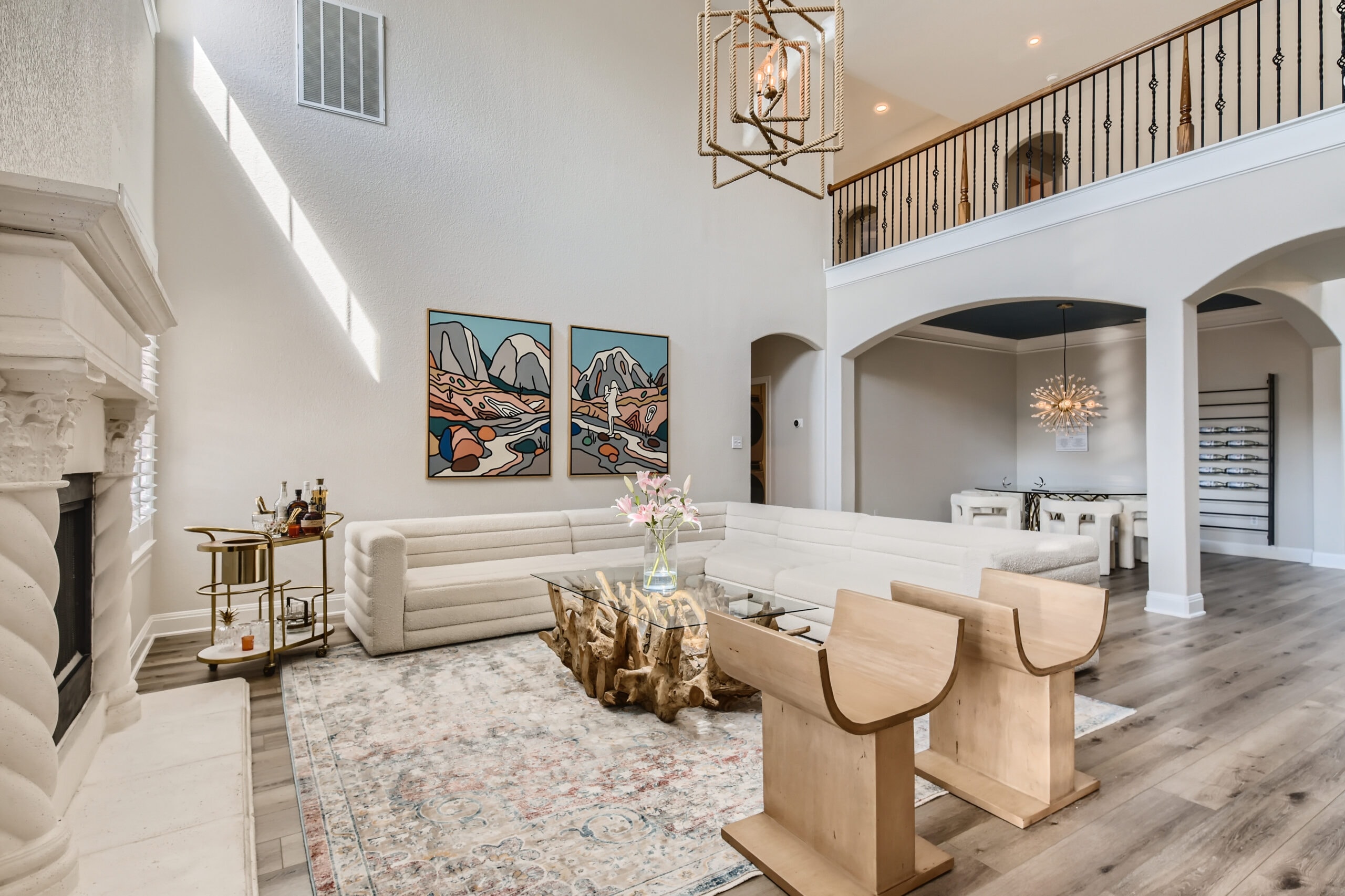
Use our open house checklist to keep the planning and execution stress-free.
read the article
Use these ideas to receive more engagement and competitive offers from motivated buyers.
read the article
We have five unique holiday open house ideas to help you stand out.
read the article
Open House Follow-Up & Client Lead Conversion
Packing an open house with visitors only generates revenue if you follow through. An open house sign-in sheet is only as valuable as your conversion strategy.
Build on your attendance success by deploying automated text scripts and email sequences.
Converting open house leads takes work—these scripts make it effortless.
read the article
We compiled the five best post-open house outreach emails.
read the article