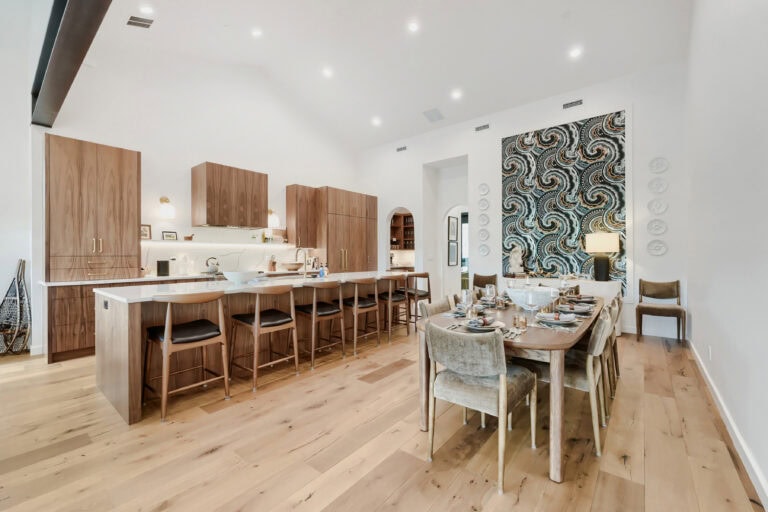
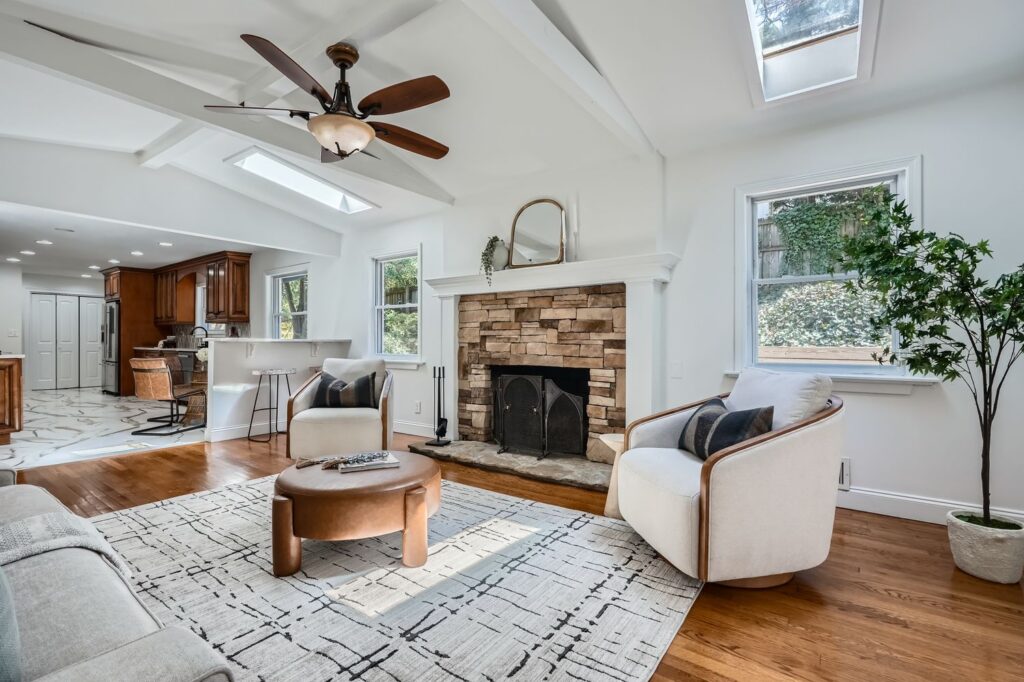



While staging is a powerful marketing tool that showcases your creativity, the traditional setup can be incredibly time-consuming. Fortunately, the choice to outsource staging to professional property stylists—or utilize modern virtual staging—can save you valuable hours, slash upfront costs, and maximize the home’s final sale price. Understanding the pros, cons, and digital alternatives of professional styling will help you determine the best path forward for your business.
Key Takeaways
- According to real estate industry statistics, properly staged homes sell significantly faster and often command a higher final sale price than unstaged properties.
- Outsourcing to professional or virtual stagers eliminates the upfront costs of buying physical furniture while freeing up valuable time for active real estate agents.
- Partnering with established, full-service media platforms ensures reliable quality assurance and eliminates the communication errors common with freelance stagers.
What is the difference between physical staging and virtual staging?
Traditional physical staging companies manually move real furniture, apply fresh paint, and arrange decor to prepare your listing for marketing photography. These local vendors typically schedule a consultation with you to review your specific design requirements. Once approved, the team coordinates the logistics of moving physical furniture pieces and accent items directly into the property. Physical stagers handle the heavy lifting so you can focus entirely on lead generation.
Virtual staging utilizes advanced graphic rendering technology to simulate what an empty space looks like once a buyer adds furniture and decor. If you prefer not to coordinate heavy furniture delivery or want to keep your marketing expenses low, you can invest in digital alternatives instead. To understand how these digital solutions work, you can read our comprehensive guide on virtual staging for real estate.
The software combines well-lit, precisely angled digital photography with 3D models to place realistic furniture pieces, area rugs, and wall art into an otherwise vacant room. This tech-driven solution helps prospective buyers visualize the true potential of a space while shopping online.
The benefits of outsourcing your listing staging
High-quality visual marketing is an essential aspect of any real estate listing. Premium property media allows potential buyers to envision themselves living inside the property and determine whether a house truly feels like home. Outsourcing this step to a dedicated vendor ensures your property looks highly polished, saving you from purchasing expensive inventory or moving heavy couches yourself.
Primary advantages of outsourcing staging
- Saves Billions in Heavy Lifting: You never have to manually transport, coordinate, or purchase physical furniture inventory yourself.
- Maximizes Administrative Efficiency: Professional design experts handle the aesthetic details, allowing you to focus completely on client acquisition.
- Offers Unmatched Style Flexibility: Digital staging providers maintain extensive virtual catalogs, allowing you to instantly style a room to match target demographics.
Virtual staging options have grown rapidly in popularity among modern real estate professionals. Tech-forward staging companies maintain extensive digital asset catalogs featuring a wide variety of design styles and furniture trends.
By outsourcing the rendering process, you do not need to buy expensive design software or manage complex editing suites. These specialized teams are dedicated exclusively to building visually striking, highly marketable property images.
What are the hidden risks of freelance virtual staging?
The primary risk of outsourcing your property styling to generic online platforms is a lack of reliable quality assurance. Many low-cost virtual staging websites source their labor from independent, unvetted freelancers. Because these individual creators manage multiple competing projects, your listing may not always be their top priority. This workflow frequently results in slow turnaround times and unnatural, cartoonish furniture proportions that can mislead buyers.
Miscommunication is another common issue when working with disjointed third-party platforms. Communicating your creative property vision to an unverified freelancer can be challenging, as they may not understand your local real estate market nuances.
To see how these challenges stack up against traditional setups, review our data-driven virtual staging vs traditional staging cost-benefit analysis. To mitigate these risks, always partner with an established, full-service media company that uses standardized quality control protocols.
How to find the best real estate staging company
Before signing a contract with a local stager or an online vendor, you must carefully audit their previous work. Reviewing their active portfolio confirms that their design aesthetic aligns with your brand standards and target demographics. Industry benchmarks from the Real Estate Staging Association (RESA) consistently prove that professionally staged homes statistically spend less time on the market than non-staged listings.
If you are opting for digital solutions, ask to browse their virtual furniture and design libraries. An extensive, high-resolution asset database proves that the company can accurately match different property styles with the perfect decor elements.
Critical criteria for evaluating staging vendors
- Diverse Style Portfolios: Verify that they have a wide range of design aesthetics, from modern minimalism to traditional luxury staging.
- Rapid Turnaround Times: Confirm the vendor can deliver your finished property media within your tight MLS launch window.
- Reliable Communication Channels: Look for companies that provide live chat, videoconferencing, or direct phone support rather than slow email-only communication.
Maximize your online listings with Virtuance
Ultimately, deciding whether to stage a home yourself or outsource to a third party depends on your budget, timeline, and marketing goals. If you want to bypass the heavy lifting and steep costs of traditional furniture delivery, digital options provide an efficient, high-impact alternative. For more practical advice on preparing an occupied home for your marketing media, explore our expert guide on essential home staging tips for real estate sellers.
Ready to make your property stand out online? Partner with Virtuance to schedule your professional real estate photography and premium virtual staging today!
People also ask
Does home staging increase the final sale price of a property?
Yes, industry data shows properly staged properties attract higher offers and sell faster than completely vacant listings.
How much faster do staged homes sell compared to unstaged homes?
According to historical market research, staged listings spend roughly 70% less time on the market than vacant properties.
Can you virtually stage a home that still has the seller's old furniture inside?
Yes, advanced digital stagers can digitally remove existing clutter or outdated furniture before rendering the new interior design.