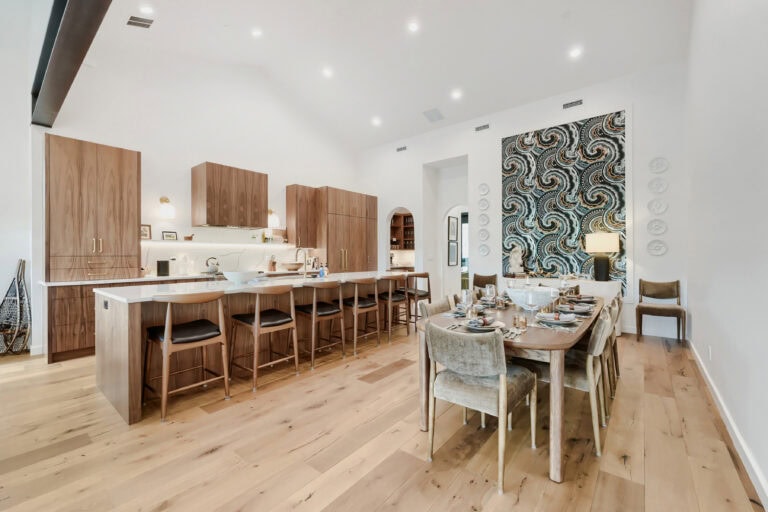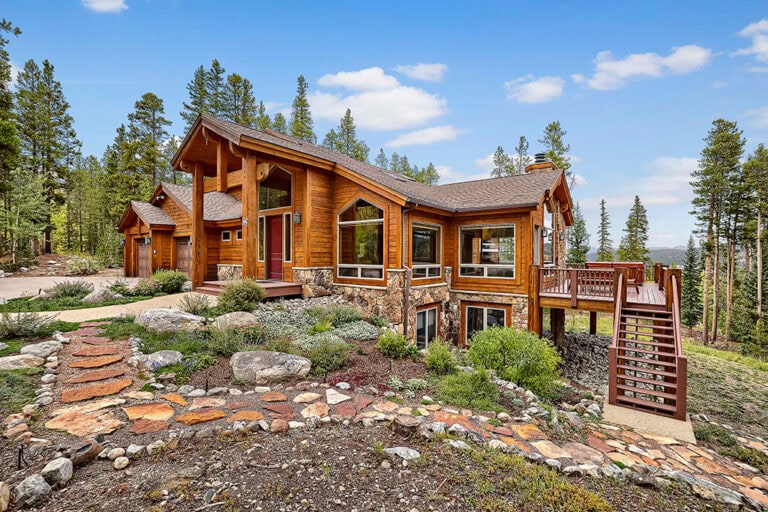
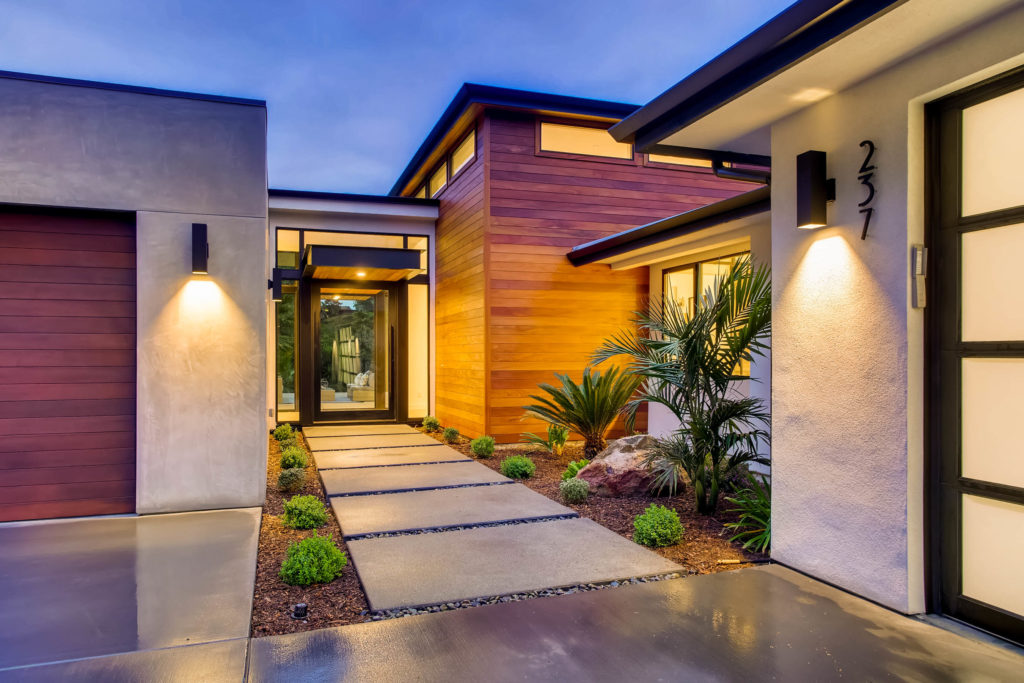



Learning how to sell a house can feel overwhelming, but breaking down the home selling process into manageable phases ensures you maximize your return while keeping stress to a minimum. Whether you plan to sell with an agent or explore how to sell a house without a realtor, following a structured roadmap, from initial preparation to the closing table, is critical to securing top dollar.
Key steps to selling your home
If you’re trusting real estate agent, they handle the majority of this process so you don’t have to! However, if you’re planning on selling without a professional, here are the basics of selling a home.
- Prepare & Stage: Declutter, make high-impact repairs, and order professional listing media.
- Price Strategically: Perform a Comparative Market Analysis (CMA) based on recent local comps.
- Market for Maximum Exposure: Use professional photos, 3D tours, and targeted digital promotion.
- Negotiate Offers: Evaluate purchase price, contingencies, earnest money, and timeline.
- Navigate Escrow & Inspection: Complete disclosures, facilitate appraisal, and finalize buyer contingencies.
- Close the Sale: Sign final closing documents, transfer ownership, and collect your sale proceeds.
In the following sections, we’ll break down a more detailed home selling guide into four key phases.
Phase 1: Preparing your home for sale
The preparation phase sets the foundation for your sale price and days on market. Taking time to properly prep your property ensures you capture buyer interest immediately upon launch.
1. Declutter and depersonalize
Buyers must be able to visualize themselves living in the space.
- Remove personal photographs, trophies, and family heirlooms.
- Clear kitchen counters, bathroom vanities, and overcrowded closets.
- Store extra furniture off-site to make rooms appear larger.
2. Complete high-impact repairs & upgrades
You don’t need a complete remodel to sell your home fast. Focus on cost-effective updates that yield high returns:
- Touch up paint with light, neutral tones.
- Fix leaking faucets, squeaky doors, and loose cabinet handles.
- Replace outdated light fixtures and clean or replace discolored grout.
- Note: If you prefer to skip repairs entirely, consider the strategy of selling a house as is.
3. Boost curb appeal
First impressions start online and at the driveway. Enhance your exterior by:
- Mowing the lawn and adding fresh mulch to garden beds.
- Power-washing siding, walkways, and the driveway.
- Adding a clean welcome mat and a pop of color with potted flowers near the entryway.
Phase 2: Pricing and listing marketing strategy
Once your home is ready, establishing the right price and deploying a professional visual marketing plan are the most vital steps to selling your home.
1. Set a strategic asking price
Pricing too high can cause your property to sit on the market, while pricing too low leaves money on the table. Analyze recent sales of comparable properties (“comps”) in your immediate neighborhood. Consider local inventory levels, market velocity, and unique home upgrades.
2. Invest in professional listing photography & visuals
Nearly all buyers start their home search online. Cellphone photos simply cannot compete with professional visual assets.
- Professional Photography: Quality lighting and professional editing stop the scroll on listing sites.
- 3D Virtual Tours & Floor Plans: Interactive floor plans give remote and busy buyers spatial context before scheduling an in-person showing.
On top of trusting a photography professional, check out our proven tips to sell your home faster and for more money!
3. Build a multi-channel marketing plan
Ensure your property achieves maximum exposure by leveraging:
- The local MLS (Multiple Listing Service).
- Major real estate portals (Zillow, Realtor.com, Trulia).
- Targeted social media advertising and open house events.
Looking for a step-by-step checklist you can download and print? Access our comprehensive Home Selling Guide Blueprint infographic!
Phase 3: Showings, offers, and negotiations
When your listing goes live, active buyer management and clear negotiation strategies take center stage.
1. Facilitate showings and open houses
Keep your home “show-ready” throughout the active listing period:
- Maintain cleanliness daily.
- Keep blinds open to maximize natural sunlight.
- Ensure pets are safely boarded or out of the house during showings.
2. Evaluate incoming offers
When purchase offers arrive, evaluate more than just the purchase price. Pay close attention to:
- Buyer Financing: Pre-approval letter quality or proof of cash funds.
- Earnest Money Deposit: A stronger deposit signals a committed buyer.
- Contingencies: Inspection, appraisal, financing, and home sale contingencies.
- Proposed Closing Timeline: Ensure the proposed closing date matches your moving plans.
Phase 4: Escrow, inspection, and closing
Navigating the period between contract signing and closing day requires diligence and quick response times.
1. Home inspection and repair requests
The buyer will likely hire a certified inspector to examine the structure, roof, plumbing, electrical, and HVAC systems. Following the inspection report:
- The buyer may request specific repairs or price concessions.
- Negotiate reasonable repair credits or hire licensed contractors to address major safety concerns.
2. The home appraisal
If the buyer is securing a mortgage loan, the lender will send an appraiser to verify the property’s market value. Presenting the appraiser with a feature sheet and recent comps can help support your sale price.
3. Closing day execution
On closing day:
- Complete the final buyer walkthrough.
- Sign all legal paperwork, loan payoff documentation, and property deed transfers with the title company or closing attorney.
- Transfer keys, garage door openers, and owner manuals.
- Receive your net proceeds via wire transfer or cashier’s check.
Selling a home requires navigating a series of critical milestones, but following a structured step-by-step approach ensures a smooth transaction from start to finish. By taking time to prepare your property, pricing it accurately for your market, and managing inspections and escrow with care, you position yourself for a fast, profitable closing. A well-executed strategy removes the stress from the home selling process and puts you in full control of your transaction.
How Virtuance can help you sell a home
High-quality visual marketing is the single most powerful factor in driving buyer interest and securing top dollar for your listing. Virtuance helps home sellers and real estate professionals stand out with professional real estate photography, interactive 3D virtual tours, floor plans, aerial drone imagery, and more visual media solutions designed to grab buyers’ attention online. By showcasing your property at its best, Virtuance accelerates your listing’s exposure so you can close faster and maximize your final sale price.
Try us out with code BLOG50 for $50 off your first order. Schedule your property shoot today!
FAQ
What are the main steps to selling a house?
The core steps to selling a house include: preparing and decluttering the home, setting a competitive listing price, creating professional marketing assets (photos and 3D tours), listing on the MLS, hosting showings, negotiating purchase offers, completing inspection and appraisal requirements, and signing final paperwork at closing.
How long does the home selling process take from listing to close?
On average, the process takes 30 to 60 days to prepare and market the home to accept an offer, followed by an additional 30 to 45 days for escrow, appraisal, and closing—making the typical end-to-end timeline roughly 2 to 3 months.
How can I sell my house fast?
To sell your house quickly: price it competitively from day one, make low-cost high-impact cosmetic repairs, order professional real estate photography to maximize online engagement, and remain flexible with showing availability.
Can I sell my house as is without making repairs?
Yes, you can sell a home “as is.” However, buyers will typically factor anticipated repair costs into their offer price. Investing in professional photography and staging can still help maximize buyer interest even for homes sold as is.