




Generating a consistent flow of qualified buyer and seller leads requires more than just launching a site—it demands a deliberate strategy to increase website traffic. Whether you are looking to boost organic search rankings, improve your local presence, or convert casual browsers into clients, optimizing your online presence is essential for long-term growth. We’re outlining the 9 field-tested strategies for real estate agents, brokers, and teams looking to dominate search results.
Key Takeaways
- Mastering local SEO and optimizing your Google Business Profile captures high-intent home buyers and sellers searching in specific geographic areas.
- Incorporating high-quality visual media like interactive floor plans and professional photography increases visitor dwell time and boosts search rankings.
- Structuring neighborhood guides with clear Q&A formats and schema markup positions your content to win citations in AI answer engines.
- Building local community backlinks and syndicating assets across targeted email campaigns drives sustainable referral traffic back to your site.
1. Master local SEO for real estate
Local search drives the highest-intent real estate traffic. When buyers or sellers search for “best real estate agent near me” or “homes for sale in [City],” local search algorithms determine which sites appear at the top.
How to master local SEO
- Optimize Your Google Business Profile (GBP): Fully claim and update your GBP account. Ensure your business name, address, phone number (NAP), and website URL match across all online directories.
- Target Neighborhood-Specific Keywords: Instead of optimizing for broad terms like “real estate agent,” focus on hyper-local long-tail keywords such as “luxury waterfront homes in [Neighborhood]” or “top listing agent in [ZIP Code]”.
- Collect Local Reviews: Consistently request Google reviews from satisfied clients. Having many recent customer reviews tells Google that your business is active and trusted, which helps you show up in the top three local search results.
2. Upgrade listing visuals to boost dwell time & engagement
Search engine algorithms measure dwell time (i.e. how long a user stays on your site before returning to search results) and bounce rate as key indicators of content quality. High-quality property media keeps users engaged longer. Check out how different media can directly impact your website traffic.
- Professional Photography: Boosts click-through rates (CTR)
- Interactive Floor Plans & 3D Tours: Increases on-page dwell time
- Aerial / Drone Footage: Elevates perceived listing value
- Social Media Videos: Drives higher social media shares
Action steps to boost dwell time on your site
- Leverage Professional Photography: Partner with visual solutions providers like Virtuance to capture high-impact imagery that catches buyers’ attention on listing pages.
- Embed 3D Virtual Tours & Floor Plans: Pages with interactive media keep visitors on-site up to 5–10 times longer, sending strong positive user-engagement signals to Google.
- Optimize Image Alt Text: Name all image files descriptively (e.g.,modern-kitchen-downtown-denver-home.jpg) and add structured alt tags to enhance image search rankings.
3. Build hyper-local content & neighborhood guides
Search engines and AI answer engines favor authoritative sites that provide detailed, locally relevant information that portals like Zillow or Realtor.com cannot easily replicate.
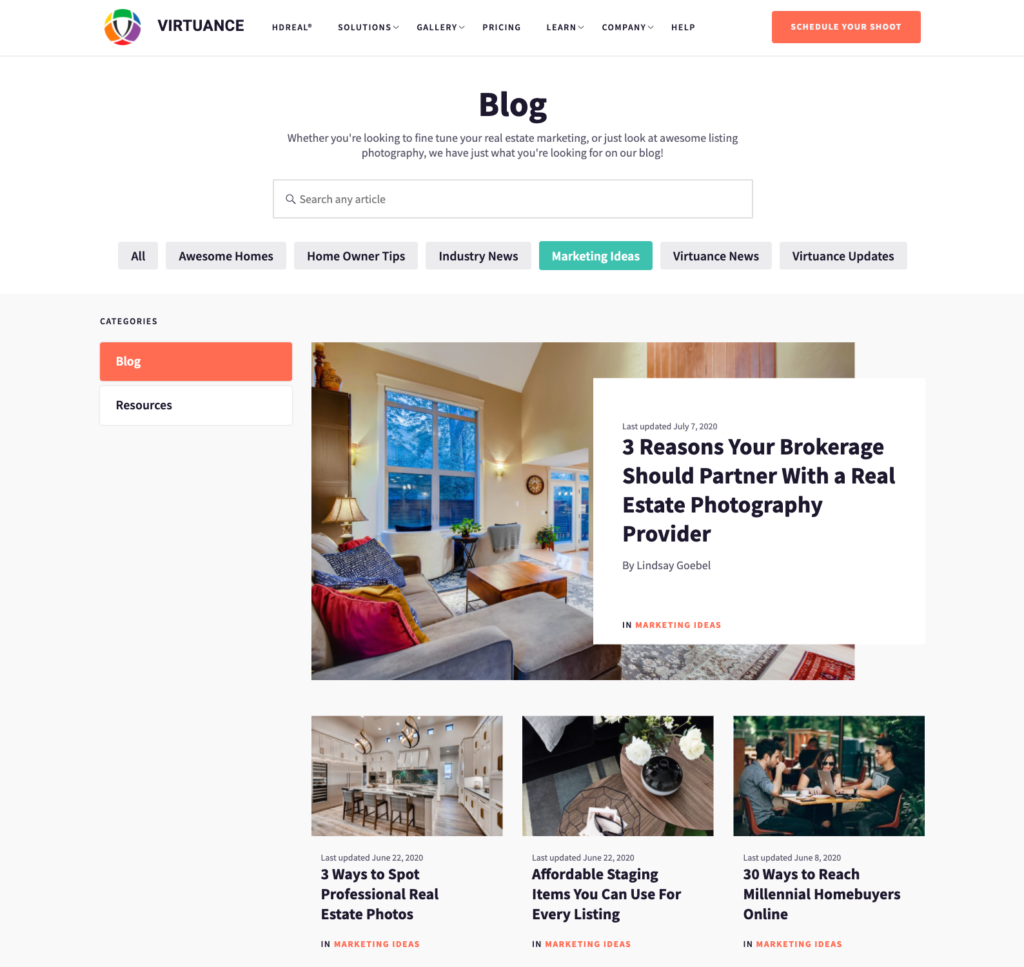
Core content pillars to publish:
- Neighborhood Spotlights: Write in-depth articles covering local school districts, parks, dining, market trends, and transportation options.
- Buyer & Seller Resources: Create evergreen guides addressing common questions, such as “How to Prepare Your Home for Sale in [City]” or “Understanding Property Taxes in [County]”.
- Market Reports: Publish monthly or quarterly market updates analyzing inventory, average price per square foot, and Days on Market (DOM).
4. Optimize for AI search (GEO & AEO)
Modern home shoppers use conversational AI assistants—such as Google AI Overviews, ChatGPT, Perplexity, and Copilot—to answer real estate questions. Optimizing for Generative Engine Optimization (GEO) ensures your site is cited as an authoritative source in AI-generated answers.
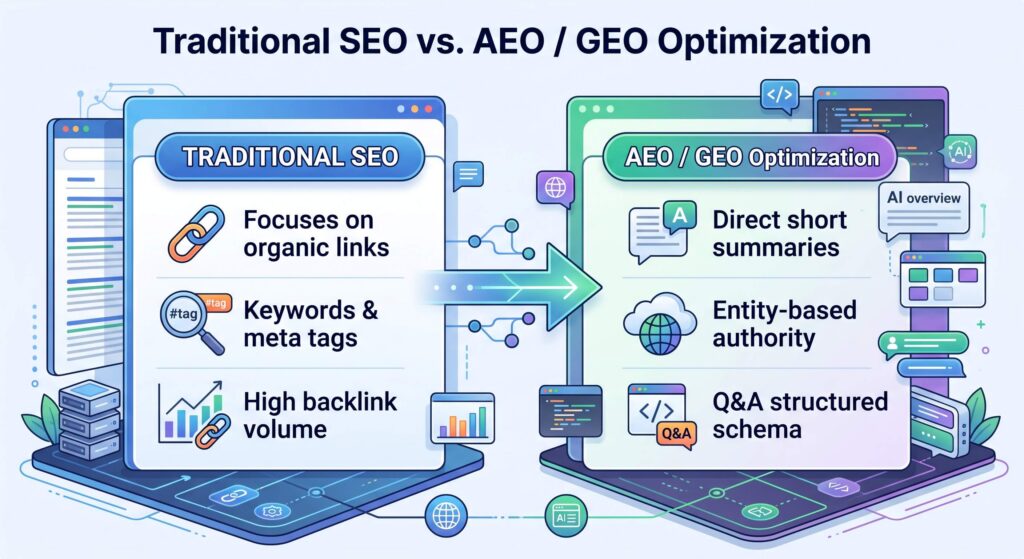
Key tactics for GEO & AEO:
- Include Direct Answer Summaries: Structure key sections with a concise definition or bulleted answer right below headers.
- Publish Q&A Formats: Structure subheadings as natural language questions that buyers and sellers ask, followed by clear, direct answers.
- Add Behind-the-Scenes Digital Labels: Adding simple background tags to your website tells Google exactly what your business address, agent license, and client FAQs are, making it much easier for search engines and AI to rank you at the top.
5. Implement technical real estate SEO basics
Technical SEO ensures search engine crawlers can efficiently index and rank your pages.
Technical checklist:
- Mobile-First Responsiveness: 7% of real estate searches occur on mobile devices (NAR). Ensure your website layout adapts seamlessly across screen sizes.
- Page Speed Optimization: Compress images, reduce heavy script execution, and leverage caching to keep load times fast. Learn how Virtuance helps you optimize images!
- Ensure Website Crawlability: Ensure your website is crawlable by search engines using clean URL structures.
6. Execute strategic real estate link-building (aka backlinks)
Backlinks—links from external websites to your site—serve as digital votes of confidence. Authoritative local backlinks significantly enhance domain authority.
Effective link building tactics:
- Sponsor Local Events or Charities: Community sponsorships can often include a high-authority backlink from local civic or non-profit domain names.
- Guest Blogging & Local Media PR: Contribute market commentary or home design articles to online local news, blogs, and lifestyle publications.
- Vendor & Business Partnerships: Exchange links with local mortgage brokers, home inspectors, staging companies, and contractors on a curated “Preferred Vendors” page.
7. Repurpose content across social media channels
Social channels serve as powerful distribution engines that drive referral traffic back to your website landing pages.
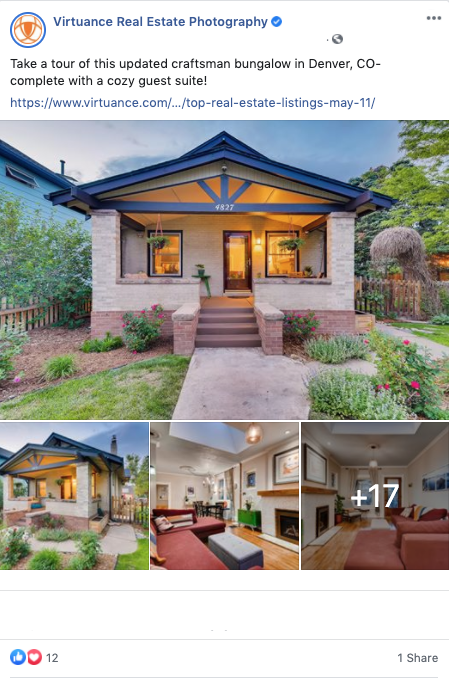
Content syndication strategy:
- Video Content (Reels, Shorts, YouTube): Convert blog posts and neighborhood guides into short-form social media videos highlighting property features or local amenities.
- Pinterest & Instagram: Share professional listing photography and link directly to your home property website or custom search landing pages.
- LinkedIn: Share real estate market analytics and commercial real estate insights to attract professional networks and investors.
8. Drive traffic with targeted email marketing campaigns
Email marketing remains one of the highest-converting strategies for driving repeat web traffic.
Campaign types:
- New Listing & Price Change Alerts: Send automated notifications linking directly to featured property pages on your site.
- Monthly Local Newsletter: Highlight new blog posts, local events, and neighborhood spotlights to keep past clients engaged.
- Lead Nurture Sequences: Deliver automated educational email series for first-time buyers and prospective sellers with calls-to-action (CTAs) directing them back to your website.
9. Monitor & refine with web analytics
To maintain traffic growth, track performance metrics and iterate based on user behavior.
Essential metrics to track:
- Organic Search Traffic: Total visitors arriving via search engines (tracked in Google Analytics).
- Keywords & Impressions: Search query rankings and clicks monitored via Google Search Console.
- Dwell Time & Bounce Rate: Time visitors spend interacting with property media and landing pages and how long they stay on a page.
- Conversion Rate: Percentage of site visitors completing contact forms, scheduling showings, or requesting home valuations (i.e how many website visitors are becoming leads).
Elevating your real estate website growth
Building a high-traffic real estate website requires combining technical search engine optimization with high-converting user experiences. By combining local SEO best practices, structured data for AI search engines, and engaging visual assets, you can create an engine that consistently generates qualified leads.
Ready to enhance your listing performance and keep buyers on your site longer? Explore Virtuance’s real estate media solutions to capture buyer attention and elevate your brand today.